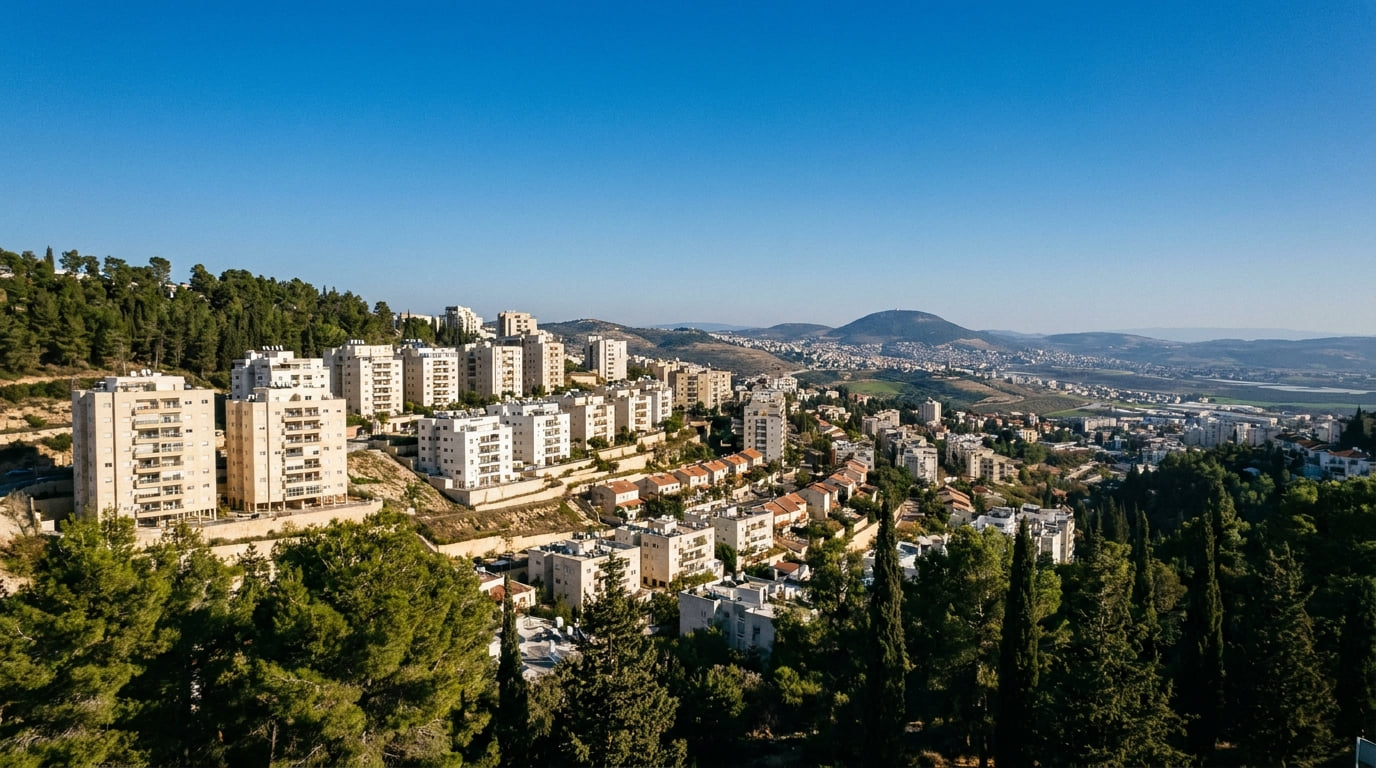
Nof HaGalil, formerly known as Nazareth Illit, was established in 1957 as a Jewish town overlooking the Arab city of Nazareth and the Jezreel Valley. It was declared a local council in 1963 and achieved city status in 1974. In 2019, following a plebiscite where 80% of voters approved the change, the city was renamed Nof HaGalil, meaning 'View of the Galilee'. Today, it serves as the capital of the Galilee and is home to approximately 45,000 residents.
Nof HaGalil is a mixed community comprising Jews, Arabs, and others. The population includes 22,590 Jews, 13,583 Arabs, and 6,484 individuals of other ethnicities. The city accommodates both secular and religious residents, with an age distribution: 9,195 individuals aged 0-14, 25,654 aged 15-64, and 7,809 aged 65 and above. This demographic mix contributes to a multifaceted lifestyle within the city.
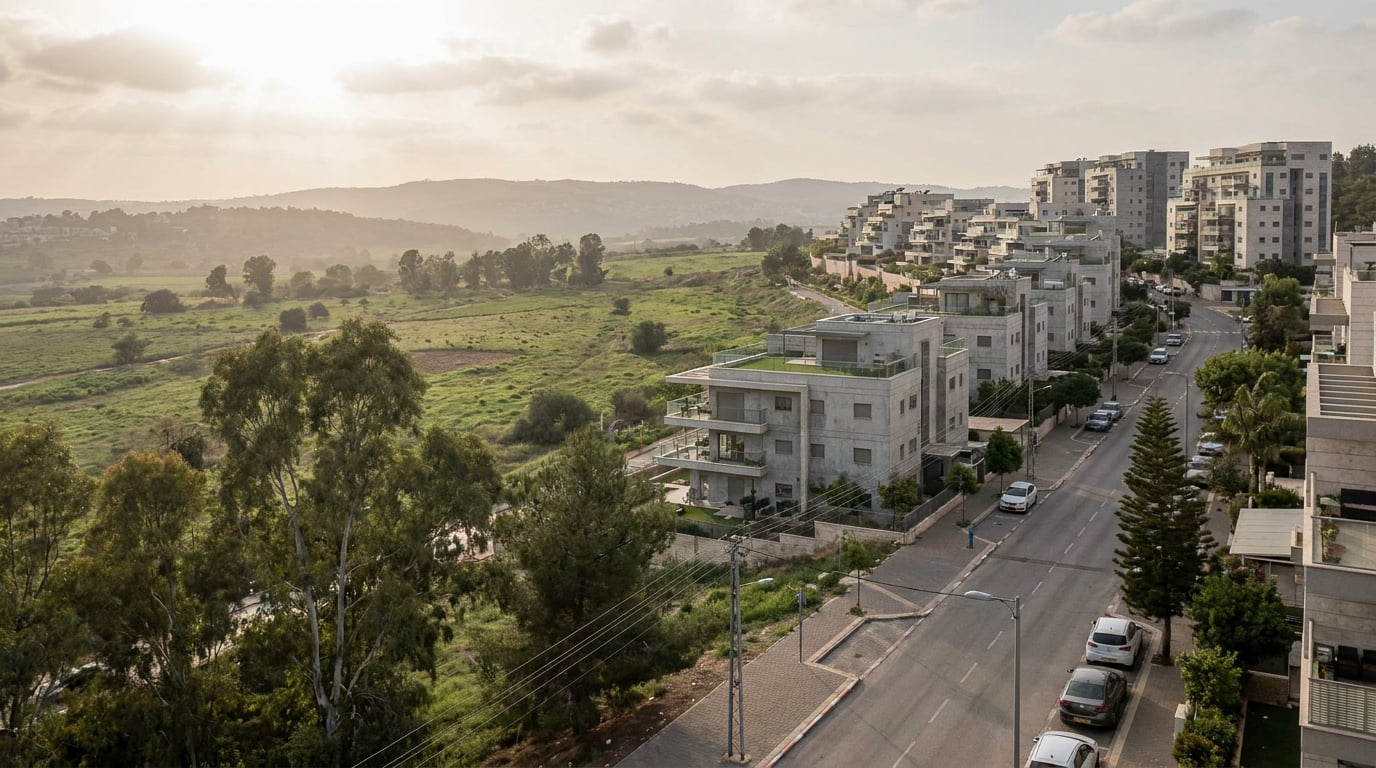
Nof HaGalil's housing stock encompasses a variety of residential options, including modern apartments, single-family homes, and villas. The city has undergone significant development, with new projects introducing contemporary housing units designed to meet preferences. Notably, the Golan 1–7 project plans to add approximately 1,000 new housing units, replacing older structures and integrating public facilities and commercial areas.
The real estate market in Nof HaGalil is characterized by steady demand, driven by its strategic location and supportive community services. The city offers affordable housing options, appealing to families and individuals seeking a balanced lifestyle. Rental prices are competitive, with average monthly rents for apartments around 3,208 ILS, making it an attractive choice for both buyers and renters.
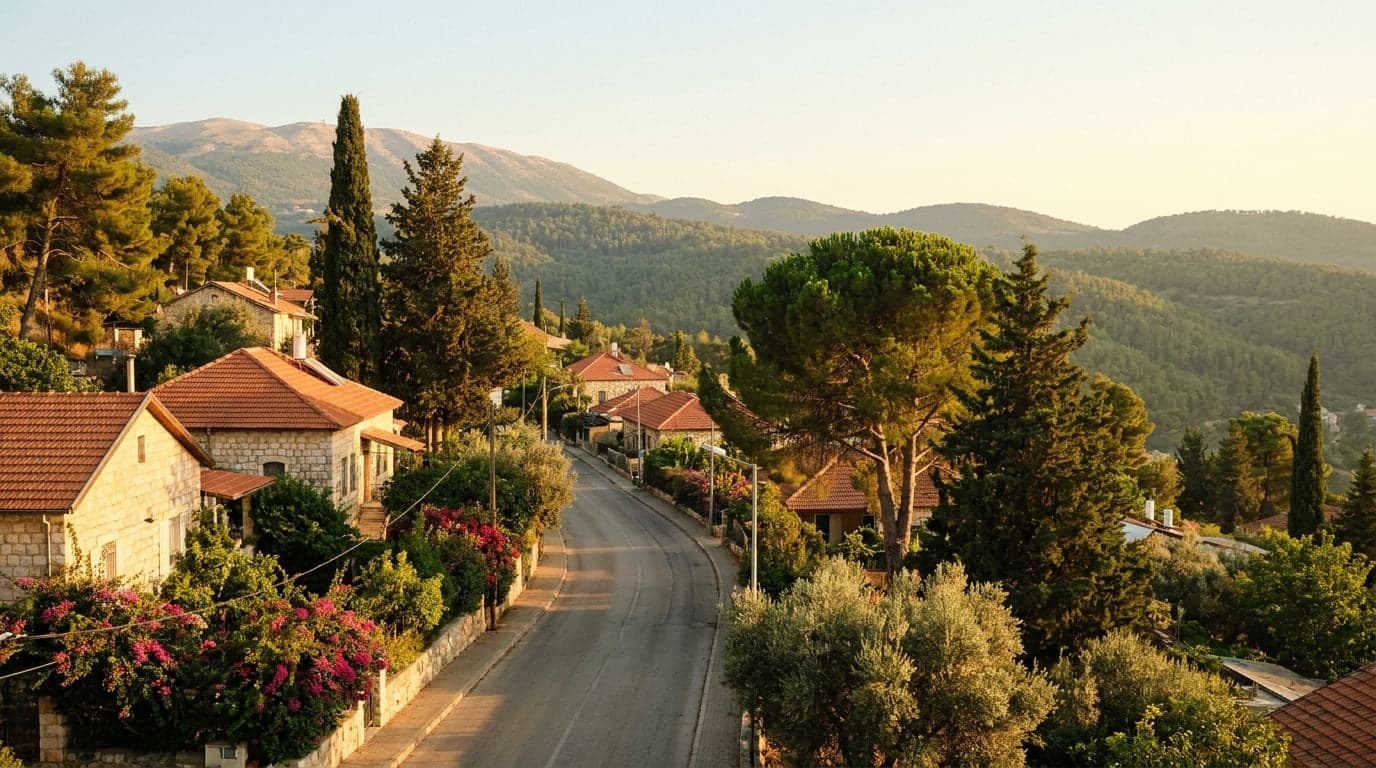
Nof HaGalil features distinct neighborhoods, each contributing to the city's character. The Nof-Yizreel neighborhood offers a peaceful suburban atmosphere with easy access to major transportation routes and natural landmarks like the Jezreel Valley. This area provides residents with scenic views and outdoor recreational opportunities, balancing tranquility with connectivity to larger urban centers.
- Nof-Yizreel: A suburban neighborhood with scenic views and proximity to natural landmarks.
- HaKerem: A residential area known for its community-oriented environment and accessibility.
- Har Yona: A developing neighborhood featuring new housing projects and modern amenities.
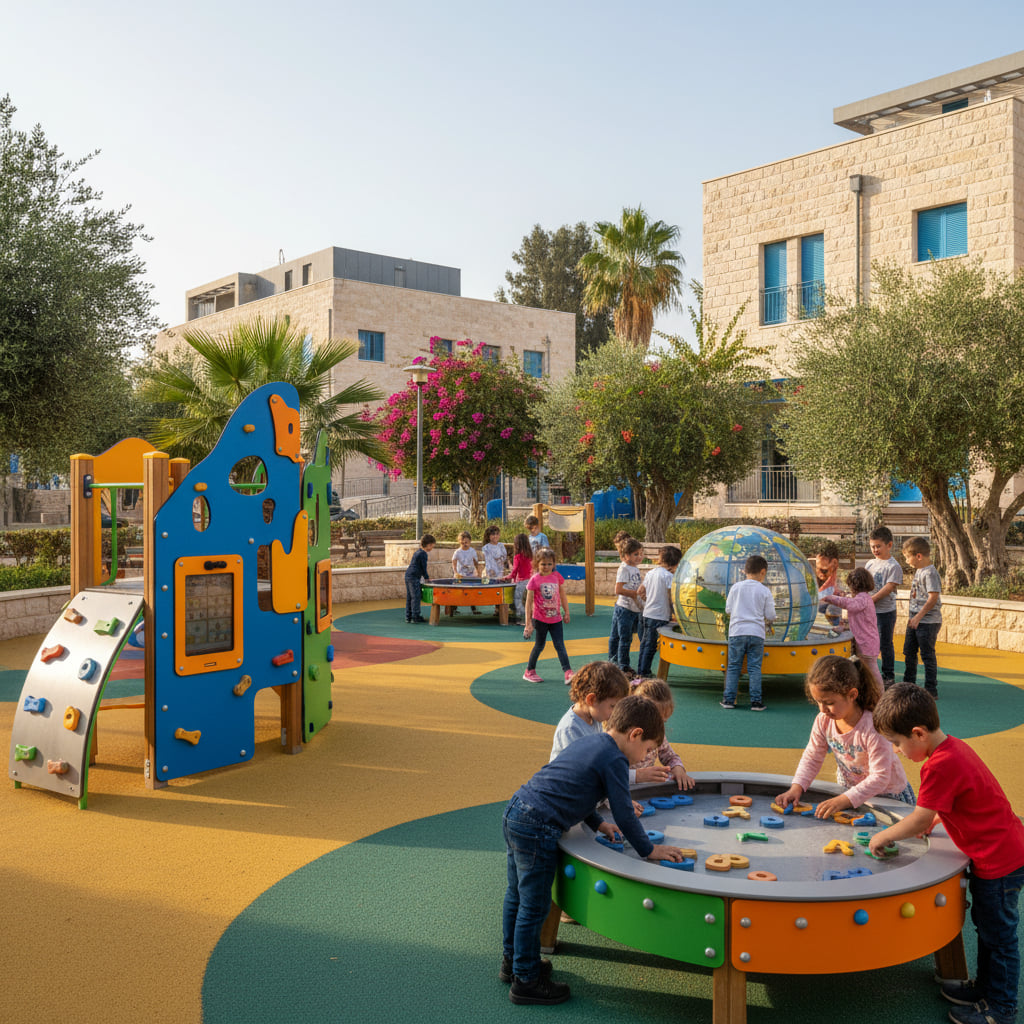
Nof HaGalil is undergoing significant development, with several major projects enhancing its urban landscape. The Golan 1–7 project plans to introduce approximately 1,000 new housing units, replacing 139 existing ones, and will include public facilities, commercial areas, and community spaces. Additionally, a new government complex is nearing completion, aiming to serve as an extension of the government headquarters in Jerusalem. The city is also developing a large municipal park featuring amenities such as a petting zoo, ecological lake, planetarium, and amphitheater.
Transportation infrastructure in Nof HaGalil is expanding to improve connectivity. The Nofit Light Rail project, currently under construction, will link the city to Haifa with seven stations planned throughout Nof HaGalil. This service is expected to significantly reduce travel time to Haifa and enhance access to central regions. Additionally, a cable car connecting Nof HaGalil to Mount Tabor is in advanced planning stages, aiming to boost tourism and provide residents with alternative transportation options.
New immigrants, or olim, are drawn to Nof HaGalil due to its supportive integration programs, affordable housing options, and employment assistance. The city offers educational subsidies, local Ulpan classes for Hebrew learning, and a variety of cultural and social activities. Its strategic location in the Northern District provides access to natural landscapes and proximity to major cities, enhancing its appeal to newcomers.
- Comprehensive integration programs for new immigrants
- Affordable housing options
- Employment assistance and guidance
- Educational subsidies and local Ulpan classes
- Proximity to natural landscapes and major cities